

Manual Vs Electric Coffee Grinders
If you're looking to extract the maximum the flavor of your beans it's worthwhile to invest in manual grinders. They produce more regular grounds than electric ones and are much cheaper.
However, they can be noisy and require more power. If you prefer convenience, an electric grinder is the best option.
Manual Burr Grinder
A manual burr grinder is a great method to get freshly ground coffee that is customized to your tastes. It requires a little more effort than an electronic grinder, but you will have the best flavor out of your coffee beans.
Burr grinders consist of two rotating "burrs" that can be moved closer or further apart to produce different grind sizes. They produce less heat than blades grinders, and are constructed of steel or ceramic. This is crucial, since too much heat will cause your coffee's flavor to diminish.
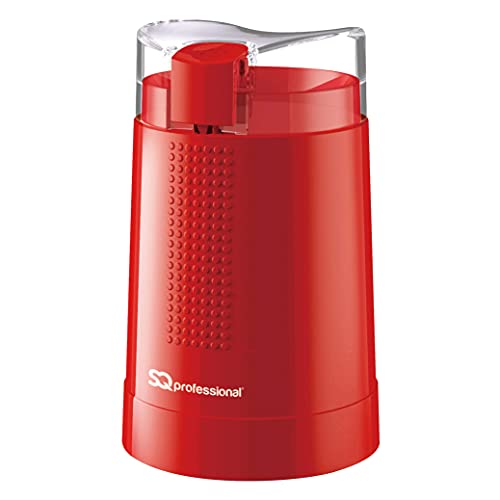
They can be expensive, but they are well worth it if you want to enjoy a good cup of coffee. With proper care and maintenance, a quality burr coffee grinder will last for many years. It is important to regularly clean your coffee grinder using a soft brush and warm water. This will get rid of any remaining grounds and ensure that the burrs are well-lubricated to function optimally.
There are a variety of burr grinders that are available on the market. The majority of people purchase a grinder that has flat or conical burrs made of ceramic or steel. These types of burrs tend to be more durable and last longer than plastic variants. They also have an even grind size which is more suitable for extractions and making brewing.
The grind size can be adjusted by turning the numbered ring clockwise or anticlockwise on a good burr mill. The number 1 setting is the best and the number 8 is the smallest. There are 15 settings total. It is the easiest to alter the size of the grind if there are no beans in the grinder. If you attempt to do it when there is already a lot of coffee grind in the machine, it will be more difficult and might not be feasible at all.
In addition to regular maintenance and cleaning It is essential to use high-quality beans. You will get the most flavor and consistency from your coffee if you choose the finest beans available. Avoid buying beans that are often processed too much and have bitter taste. It is essential to choose a coffee brand you like.
Electric Grinder
Electric grinders are powered by electricity and offer more versatility than manual models. Many grinders have multiple settings to adjust grind size and consistency. This allows coffee drinkers to tailor their experience. Some have timers as well as dosing options, which can assist in making the perfect brew every time. Electric grinders may require more maintenance because their mechanical parts are prone to failure.
Aside from the obvious benefit of their motor-powered operation electric grinders are generally quieter than manual models. This is a great feature for early morning drinking.
Additionally, some electric grinders also have a "grind on demand" option that lets you pour beans directly into your mug or portafilter without needing to transfer them from one container to another. This helps reduce mess and the possibility of contamination, as well as saving both time and energy during your making process.
Some electric grinders are sleeker, and smaller than manual counterparts, which means they can easily be tucked away on the counter of your kitchen. This is especially appealing if you have limited counter space, as it can make your kitchen look more tidy and well-organized. Electric grinders are available in a wide range of colors and finishes and you can pick one that complements the style of your kitchen.
There's a grinder that is suited to your lifestyle and preferences regardless of whether you like the tactile pleasure of grinding your beans by hand to make a single pour-over or the speed and efficiency of an electric model. Explore your options to find the right grinder for your needs in brewing, whether you choose a blade grinder, burr grinder or combination model.
Blade Grinder
The way your coffee beans are roasted has an important impact on the flavor of the coffee you make. A majority of baristas won't recommend using a blade or electric grinder at home. Instead, they will recommend you purchase a burr grinder or electric grinder which can give you more results.
A high-quality grinder can make a huge difference, whether you're making espresso, pour-over, drip or french press. It's crucial to choose the right grinder for your style of brewing.
Blade grinders employ blades that look like propellers similar to blender blades to break down your beans into smaller granules. This kind of grinder may be less expensive than burrs, however, it is less likely to create uniform ground. Inconsistent grind size means that your coffee will be infused with flavor from fine grounds that are over-extracted and smaller ones that are not properly extracted, which can make for an unpleasant cup of coffee.
The blade grinder also has a important drawback: it tends to pulverize the beans, rather than cut them. This works well for spices that you would like to make into a powder. However, it could cause the coffee beans to become too dusty and lose some their delicious acids. The fines that come from a blade grinder are also more likely to block your filter, which means you'll have more trouble cleaning the machine.
The Technivorm Comandante, a low-cost but a good blade grinder is a favorite option. The nitro blades are made out of nitrogen martensitic stainless steel, a robust material that is incredibly hard and resistant to corrosion. Aerodynamic design helps reduce the production of heat and prevents particles from moving too much when they fall. This ensures consistency and also allows blades to stay cooler which enhances the flavor.
To test the blade grinder, we brewed the whole beans of roasted coffee, and then ground the other half using the grinder. The other half was left as is. They then brewed each of the two samples and the two samples were compared. The coffee brewed from the burr grinder was more balanced and full-bodied compared to the one from blade grinder. In addition, the coffee from the burr grinder was less bitter and sour than the sample made by the blade grinder.
Conical Burr Grinder
The conical burr grinder is the gold standard for coffee grinding at home. Its fine, smooth grinds are ideal for French press, espresso and other specialty brews. Its sturdy design and built-in water reservoir help keep your grounds clean and dry. This high-performance grinder is easy to clean and comes with a an elegant, modern style that's perfect for any kitchen.
Despite the fact that the majority of grinders have flat or conical burrs, there is no definitive answer when it comes to which type of coffee grinder is more effective. The decision to use a grinder that has conical or flat burrs is largely based on your personal preferences and the kind of coffee you are most comfortable making.
One thing to be aware of is that, when compared to their conical counterparts flat burr grinders tend to hold more ground during the grinding process. This is due in large part to the shape and placement of the burrs within the grinder. When the coffee grounds leave the burrs, some will likely fall off and remain on their outer surface.
Furthermore flat burr grinding equipment can generate more heat during the process of grinding. This is due to the way they're designed and the way the burrs interact with one other. This could have a negative effect on the quality of the ground coffee.
A flat burr grinder could also create noise during the grinding process. This can be a problem for those who are sensitive to noise.
It's worth noting that the sound produced by flat burr grinders doesn't have to be an issue. In fact, it can enhance the overall performance of grinding equipment by cutting down on heat and friction. It also helps reduce the amount of fines that are created during the grinding process. The friction between the burrs may help to even out the particle sizes of the final product. This in turn will result in more efficient extraction and a better overall taste.